

Where to Buy Arabica Coffee Beans
Arabica coffee beans are characterized by their outstanding taste, high-quality and transparency of their sourcing. They are a diverse collection of aromas and flavors which makes them the most loved of all Coffea species.
Unroasted arabica beans release the scent of fruity sweetness. They also tend to grow at higher elevations than robustas, which contributes to their sophisticated, refined taste.
Origins
The coffee plant is believed to have been cultivated in Ethiopia's highlands. In the 10th century, the Arabs began to cultivate the coffee plant and make the brew with the seeds. The drink quickly gained acclaim among Muslim soldiers and scholars who believed it was an effective method of staying awake during long shifts. Later, it spread to Europe through the Silk Road. It eventually made its way to the United States. Coffea arabica is a plant that thrives in tropical climates that are located at high altitudes around the world. This includes Africa, Latin America and China. It takes seven years for the beans to fully mature and requires an average rainfall of 40-59 inches each year.
The Arabica bean is a large oval shape that has an elongated and flat side. Raw it is either green or creamy-yellow, and has an angular groove on its flat surface. Its flavor profile is influenced by a variety of factors, including the altitude, temperature and the soil type of its growing region. The terroir and the farming methods employed also have an impact on the beans' final taste and quality.
This is why a coffee that says 100 percent arabica on the label can differ from one that has the same pedigree, but was grown in a different area. Even if they are grown in the same conditions the different arabica cultivars are able to create a wide variety of aromas and flavors dependent on their genetic makeup and the environment they grow in.
Many other factors can impact the taste and quality of a coffee like the ripeness and quality of the crop after harvest, the post-harvest processing process drying, storage, and roasting. These variables can make the difference between a mediocre cup of coffee and a fantastic cup.
Popular arabica bean varieties include Bourbon, Typica, and Ethiopian Yirgacheffe. The latter is characterized as a smooth, balanced flavor with hints of fruit. Typica and Bourbon are both hybrids of the Coffea arabica species, along with other plants. They are known as "introgressed" varieties, meaning they have a tiny amount of genes from a different species, mostly the coffee leaf rust-resistant Coffea canephora plant (C. liberica).
Taste
Coffea arabica beans have a soft and subtle flavor. They come with a variety of subtle flavors that include floral and fruity flavors. where to buy arabica coffee beans can be syrupy or nutty. The coffee is usually utilized in a variety of brewing techniques and is a favorite among coffee connoisseurs. Many specialty coffee shops concentrate on ethical sourcing, and emphasize the importance of fair wages for farmers.
Arabica beans are extracted and processed from Coffea plants that are grown in tropical climates. They require a lot of water and sunlight to thrive and are affected by temperature fluctuations. The plant also requires a soil pH of 6 to 6.5. It is able to grow at high elevations, however it prefers a steady climate with no extreme temperature variations.
Freshly brewed arabica has rich flavor and a distinct aroma that is less acidic in comparison to other types of coffee. It also has less caffeine than other types of espresso, making it easier on the digestive tract. It is a good source of antioxidants, such as chlorogenic acid, which is known to improve metabolic function and reduce the effects of oxidative stress.
Arabica coffee's rich flavor is due to its high levels of sugar and lipids. It has nearly twice the amount of sugar as Robusta coffee beans and has around 60 percent more lipids. These qualities make beans more resistant to oxidation, which enhances their flavor and aroma. They can be brewed in a variety of ways, including using an espresso machine or French press. To get the best cup of arabica, you need to grind the beans prior to making. This allows the beans to absorb more liquid, which results in a more intense flavor.
It is important to use freshly-ground arabica beans and high-quality equipment when preparing a cup. A burr grinder is the ideal option, as it will produce a uniform size of the particles. The beans should be ground to a consistency slightly more coarse than table salt. It is recommended to also use filtered cold water.
Health benefits
More than 400 billion cups of coffee are consumed annually around the world, making it the third most popular drink after water and tea. The Coffea arabica plant is the go-to species to make coffee and is sought-after by coffee enthusiasts and roasters for its taste and nuances in flavor.
This distinctive coffee plant is found at high altitudes, in tropical climate regions like Africa, South and Central America and Asia. It is also grown in Colombia. Its flavor is more refined than other coffee beans, with notes of fruit, chocolate, and nut. It has a lower caffeine content and a smoother taste. This kind of bean has a distinct flavor and is also well-known for its health benefits. These include increased antioxidant levels and a lower risk of heart disease.
Arabica beans are regarded as superior in terms of quality compared to other varieties such as robusta. However, not all products that claim to be 100 percent arabica actually are. Certain manufacturers mix their beans with Robusta to save money, and end up with a lower quality product. To avoid this, pick the coffee that clearly identifies the kind of beans used.
In addition to their distinct flavor in addition to their distinctive flavor, arabica beans are recognized for their richness in minerals and vitamins. They are a great source of antioxidants that can reduce the risk of heart disease and cancer, as well as improve cognitive function and mood. They are also an excellent source of potassium that is vital for blood pressure and muscle function.
Another benefit of arabica coffee is that it has less caffeine than other types, and can still be enjoyed by those with sensitive stomachs or gastrointestinal tracts. It can also help increase energy levels and decrease tiredness making it a great choice for those who require an energy boost early in the morning or later in the afternoon.
In addition to its health benefits, this type of coffee is also awe-inspiring in its aroma and a smooth, delicious taste that is perfect for those who appreciate gourmet coffee. It can be made with spices such as cardamom, which will increase the flavor and provide a hint of sweetness to your drink.
Caffeine content
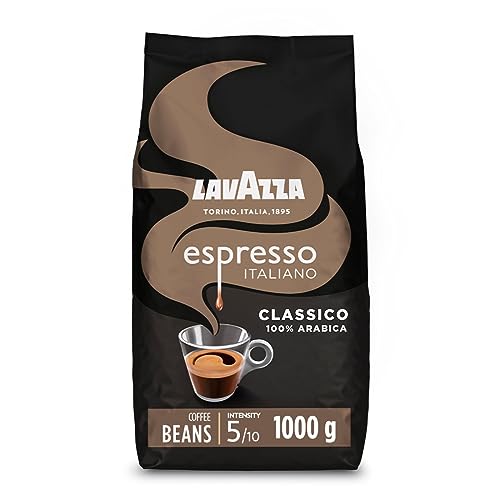
The coffee bean is the seed of the Coffea arabica plant which is part of the same family as cocoa and tea. It is a beverage that is loved by people all over the world. It is a health drink with many benefits. It is a stimulant that can help increase energy, boost metabolism and aid digestion. The amount of caffeine contained in a cup of espresso depends on the kind of bean used and the way it's roasted. Light roasts typically contain less caffeine than darker roasts. The amount of caffeine that is in a cup increases when the amount of beans ground is increased.
Arabica coffee is the most well-known and accounts 70% of the global production. The beans are derived from trees of the Coffea arabica genus, and are harvested in areas with high altitudes, like Africa, Asia, Central America and South America. The quality of Arabica is determined by the conditions of its cultivation and is characterized by smoothness and nuanced flavours, with notes of chocolate, nuts and fruit.
The taste of a cup of coffee is determined by the taste and aromas of the beans and the quality of the roasting process. The toasted seeds of the coffee plant have distinct aromas and are able to retain their flavor for a long time, despite losing their shape and size.
To ensure the best quality, the beans must be grown with care and stored to preserve the flavour. The beans should be kept in a dry and cool location. Beans can be stored for as long as an entire year without losing flavor and are more resistant to heat than other foods.
There are more than 100 varieties of the coffee plant, but the two most sought-after species are Coffea arabica and Robusta. Both are members the same family, and share the same properties. However, arabicas produce more delicious coffee beans than robustas. Robustas also have a higher percentage of caffeine than arabica beans.
The altitude at the point where coffee is grown determines the taste. The higher altitudes provide cooler temperatures and slower growth, which allow the coffee cherries to develop fully and develop an exquisite flavor. The fact that arabicas self-pollinate can be another factor that contributes to their high-quality taste.